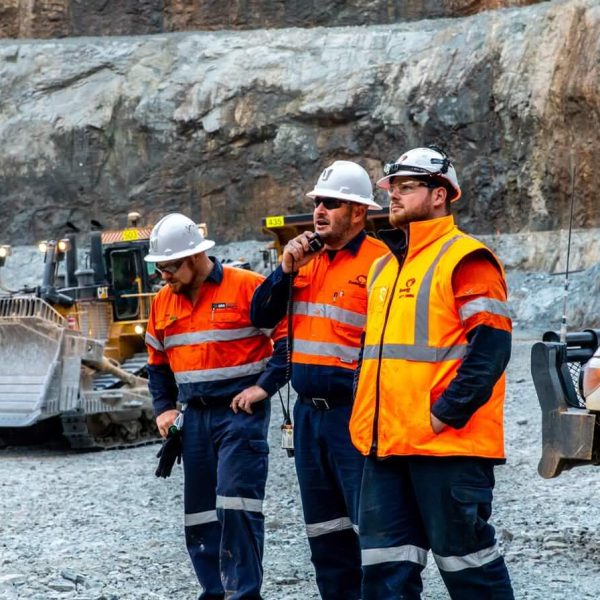
Mining is one of the oldest industries in the world, with a rich history spanning back thousands of years. From the ancient Egyptians who mined for gold and copper, to the modern-day mining companies extracting minerals from the earth, the industry has evolved and grown over time.
Today, the mining business is a complex and sophisticated operation, involving a range of processes and technologies to extract valuable resources from the ground. In this blog post, we'll explore the world of mining, looking at its history, current state, and future prospects.
History of Mining:
Mining has been an essential industry since ancient times. The earliest known evidence of mining dates back to 40,000 BC, when Neanderthals mined for flint to create tools. The ancient Egyptians also mined for gold, copper, and other minerals, while the Romans mined for iron, lead, and silver.
During the Industrial Revolution, mining became a more significant and profitable enterprise. With the advent of new technologies, such as steam engines and blast furnaces, mining companies were able to extract minerals on a larger scale. In the United States, for example, the California Gold Rush of the mid-1800s spurred a frenzy of mining activity, as people rushed to strike it rich in the newly discovered gold fields.
The mining industry continued to grow and evolve throughout the 20th century, with new technologies and techniques allowing companies to extract minerals more efficiently and safely. Today, mining is a global industry, with companies operating in dozens of countries around the world.
Current State of Mining:
The mining business today is a complex and challenging industry. Companies must navigate a range of economic, environmental, and social factors to operate successfully. Let's take a closer look at some of the key issues facing the industry today.
Mining is the process of extracting valuable minerals or other geological materials from the earth. This process has been going on for centuries, but with the advancement of technology, it has become much more efficient and effective. In this blog post, we will discuss the current state of mining and the various challenges and opportunities it faces.
The mining industry has come a long way from the traditional pickaxe and shovel methods. Today, mining companies use complex machines and equipment to extract minerals from the earth. The use of automation and robotics has made the mining process faster, safer, and more efficient.
One of the biggest challenges facing the mining industry is the depletion of natural resources. Many of the world's most important minerals, such as gold, silver, and copper, are becoming increasingly difficult to find and extract. This has led to increased exploration efforts to locate new deposits and a push towards more sustainable mining practices.
Another challenge facing the mining industry is environmental impact. Mining can have a significant impact on the environment, particularly in terms of land use, water consumption, and waste generation. Many mining companies are now working to reduce their environmental impact by implementing sustainable practices, such as using renewable energy sources and reducing their water consumption.
Despite these challenges, the mining industry continues to play a crucial role in the global economy. Many countries rely heavily on the export of minerals to drive their economies, and the demand for minerals continues to grow. As a result, many mining companies are expanding their operations and investing in new technologies to increase their efficiency and productivity.
One of the most exciting developments in the mining industry is the use of artificial intelligence (AI) and machine learning. These technologies have the potential to revolutionize the mining industry by enabling companies to make more informed decisions, optimize their operations, and improve safety. For example, AI-powered sensors can detect potential safety hazards in real-time, alerting workers to potential dangers before they occur.
Another area of innovation in the mining industry is the use of blockchain technology. Blockchain is a decentralized ledger system that can be used to track the provenance of minerals from the mine to the end-user. This can help to ensure that minerals are sourced ethically and sustainably, which is becoming increasingly important to consumers and governments.
In conclusion, the current state of mining is one of both challenges and opportunities. The industry faces significant challenges in terms of resource depletion and environmental impact, but there are also many exciting opportunities for innovation and growth. As technology continues to advance, the mining industry will continue to evolve, with new processes and technologies that will make mining safer, more efficient, and more sustainable.
Economic Factors:
One of the most significant challenges facing mining companies is economic volatility. The prices of minerals can fluctuate widely, impacting the profitability of mining operations. For example, during periods of low demand, mining companies may struggle to sell their products, leading to reduced revenues and profits. In contrast, during periods of high demand, mining companies may struggle to keep up with demand, leading to supply shortages and higher prices.
Mining is a crucial sector in many economies around the world. It involves the extraction of valuable minerals and resources from the earth's crust, which can then be processed and sold for profit. Mining is often associated with significant economic benefits, such as employment opportunities, increased economic growth, and the generation of government revenue through taxes and royalties. However, mining can also have negative economic impacts, particularly on local communities and the environment.
This blog post will explore the economic factors of mining, including its benefits and costs, and the various economic considerations that come into play when deciding whether to undertake mining activities.
Benefits of Mining
Mining can generate significant economic benefits for countries and communities. One of the most significant benefits of mining is the creation of jobs. Mining projects require a range of skills, from geologists and engineers to machine operators and administrative staff. These jobs often pay well and can help to lift local communities out of poverty. In addition to creating direct employment, mining projects can also generate indirect employment opportunities, such as in the supply chain for equipment and services.
Mining can also contribute to economic growth. The revenues generated by mining can be invested in infrastructure, education, and healthcare, which can improve living standards and attract further investment to the area. Mining projects can also stimulate other sectors of the economy, such as transportation and construction.
Finally, mining can generate government revenue through taxes and royalties. Governments can use this revenue to fund public services such as healthcare, education, and infrastructure development.
Costs of Mining
Despite the economic benefits of mining, there are also significant costs associated with this sector. One of the most significant costs of mining is environmental damage. Mining activities can result in deforestation, soil erosion, water pollution, and the release of greenhouse gases. These environmental impacts can have long-lasting effects on local communities and ecosystems, leading to reduced agricultural productivity, health problems, and loss of biodiversity.
Mining can also have negative social impacts. Communities living near mining sites may experience disruptions to their way of life, such as the loss of traditional lands, reduced access to water and other resources, and increased crime and social tension. Moreover, mining can lead to social inequality and exclusion, as benefits from mining projects may not be equitably distributed among local communities.
Economic Considerations for Mining
When deciding whether to undertake mining activities, there are several economic considerations that must be taken into account. These include:
Resource Availability: The first consideration is whether the minerals or resources to be mined are readily available and economically viable. This includes factors such as the size and quality of the deposits, the cost of extraction and transportation, and the potential market demand for the product.
Regulatory Environment: Mining is heavily regulated in many countries, and companies must comply with a range of environmental and social regulations. These regulations can add significant costs to mining projects, but they are also essential to protect the environment and local communities.
Infrastructure: The availability of infrastructure such as roads, ports, and power supply is also critical for mining projects. Without adequate infrastructure, it may be too expensive or challenging to extract and transport the minerals, making the project unviable.
Political Stability: Political stability is essential for mining projects, as political instability can increase the risks and costs of the project. Political stability ensures that companies can operate without fear of expropriation or other political risks.
Environmental Factors:
Mining can have a significant impact on the environment, including air and water pollution, land degradation, and the destruction of habitats. As a result, mining companies must comply with a range of environmental regulations to minimize their impact on the environment. Many companies have also implemented sustainability programs to reduce their carbon footprint and support environmental conservation.
Social Factors:
Mining can also have a significant impact on the communities where it operates. Mining companies must navigate issues such as land rights, labor practices, and community relations to operate successfully. Many companies have implemented social responsibility programs to support local communities and ensure they benefit from the economic activity generated by mining operations.
Future Prospects for Mining:
Despite the challenges facing the industry today, the future prospects for mining are promising. As the global population continues to grow, demand for minerals is likely to increase, creating opportunities for mining companies to expand and grow.
In addition, new technologies and techniques are making mining more efficient and sustainable. For example, autonomous mining equipment is being developed that can operate with minimal human intervention, improving safety and reducing costs. New exploration techniques are also being developed, allowing companies to identify and extract minerals in new locations.
Conclusion:
The mining business is a complex and challenging industry that has played a significant role in human history. Today, mining companies must navigate a range of economic, environmental, and social factors to operate successfully. However, with new technologies and techniques being developed, and demand for minerals likely to increase in the future, the prospects for the mining industry are promising.